Posted on

The importance of safety glasses on the job site

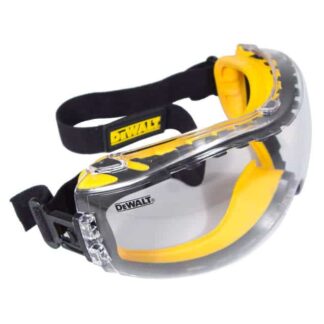
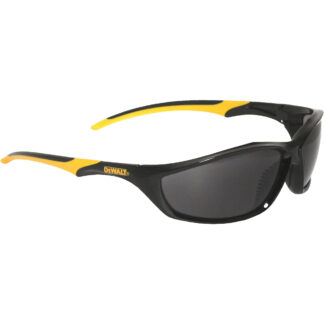
Safety glasses are a crucial piece of personal protective equipment (PPE) that provide protection to the eyes and face of workers from a wide range of hazards. In this article, we will discuss why safety glasses are important and why they should be an essential part of every worker’s PPE.

Firstly, safety glasses can protect workers from flying debris and particles. In many industries, workers are exposed to hazards such as flying metal chips, wood shavings, and other small particles that can cause serious eye injuries. Safety glasses can help prevent these hazards from entering the eyes, reducing the risk of injury and potential blindness.

In addition to protecting against flying debris, safety glasses can also protect against chemical and liquid splashes. Many industries involve the use of hazardous chemicals and liquids that can cause serious eye injuries if they come into contact with the eyes. Safety glasses that are equipped with side shields or goggles can provide additional protection, helping to prevent splashes from entering the eyes.

Another benefit of safety glasses is that they can protect against UV radiation. Many outdoor workers, such as landscapers, construction workers, and utility workers, are exposed to high levels of UV radiation from the sun. Overexposure to UV radiation can cause serious eye damage, including cataracts and macular degeneration. Safety glasses that are equipped with tinted lenses or UV coatings can help protect against these hazards.

Comfort is also an important factor when it comes to safety glasses. Workers who are required to wear safety glasses for long periods of time need to be comfortable in order to perform their jobs effectively. Many models of safety glasses are designed with features such as padded nosepieces and temples, which can provide additional comfort and prevent discomfort or pressure points.

Finally, safety glasses are often required by law in many industries. In the United States, for example, the Occupational Safety and Health Administration (OSHA) requires employers to provide appropriate PPE to workers who are exposed to eye hazards. This includes safety glasses that meet specific safety standards, such as the ANSI Z87.1 rating for impact resistance.

In conclusion, safety glasses are a vital piece of personal protective equipment that can help protect workers’ eyes and face from a wide range of hazards in the workplace. They provide protection against flying debris, chemical and liquid splashes, UV radiation, and other hazards, and they are comfortable and durable. Employers in industries that require safety glasses should ensure that their workers are wearing appropriate eyewear that meets safety standards, in order to create a safer and more productive workplace for everyone.

Posted on

ANSI ratings – what you need to know

The American National Standards Institute (ANSI) safety ratings are used to indicate the level of protection provided by personal protective equipment (PPE) such as safety glasses, hard hats, and safety footwear. These ratings can be confusing, especially for those who are not familiar with them. In this article, we will discuss the differences between the ANSI safety ratings and what they mean for workers.

Firstly, it’s important to understand that ANSI safety ratings are voluntary standards that have been developed by the ANSI organization in consultation with industry experts, safety professionals, and government agencies. The ratings are designed to provide a consistent and standardized approach to assessing the performance of PPE across different manufacturers and products.

The most common ANSI safety rating for PPE is the ANSI Z87.1 rating for safety glasses and goggles. This rating specifies the minimum requirements for impact resistance and optical clarity, among other factors. Safety glasses that meet this standard will typically have a marking on the lens or frame indicating compliance with ANSI Z87.1.

Another common ANSI safety rating is the ANSI Z89.1 rating for industrial head protection, which includes hard hats. This standard specifies the requirements for impact resistance, penetration resistance, and electrical insulation, among other factors. Hard hats that meet this standard will typically have a marking on the inside or outside of the helmet indicating compliance with ANSI Z89.1.

Safety footwear is also rated by ANSI, with the ANSI Z41 rating specifying the minimum requirements for impact resistance, compression resistance, and puncture resistance. Safety shoes that meet this standard will typically have a marking on the inside or outside of the shoe indicating compliance with ANSI Z41.

It’s worth noting that the ANSI safety ratings are not the only standards that are used to assess the performance of PPE. For example, the Canadian Standards Association (CSA) also has its own set of standards for safety glasses, hard hats, and safety footwear, which are recognized in Canada and in some parts of the United States.

In conclusion, ANSI safety ratings are an important tool for assessing the performance of PPE such as safety glasses, hard hats, and safety footwear. They provide a standardized approach to evaluating the level of protection provided by different products and manufacturers, and they help ensure that workers are adequately protected in the workplace. Employers should ensure that their workers are wearing PPE that meets the relevant ANSI safety rating, in order to create a safer and more productive workplace for everyone.

Posted on

Steel Toe safety boots are an important piece of work wear

Steel toe safety boots are an important piece of personal protective equipment (PPE) that can help protect workers’ feet from a variety of hazards in the workplace. These boots are specifically designed to provide protection against impact and compression, which are common risks in many industries such as construction, manufacturing, and mining.

One of the primary benefits of steel toe safety boots is that they can help prevent injuries to the feet. In the workplace, there are many hazards that can cause foot injuries, such as heavy machinery, falling objects, and sharp tools. Steel toe safety boots are designed to provide a barrier between the foot and these hazards, which can help prevent injuries such as fractures and crush injuries.

In addition to providing protection against impact and compression, steel toe safety boots can also protect against puncture injuries. Many models of safety boots are equipped with midsoles that are made from puncture-resistant materials, such as Kevlar, which can help prevent injuries from sharp objects such as nails, glass, and metal shards.

Another benefit of steel toe safety boots is that they are durable and long-lasting. The boots are made from high-quality materials such as leather and rubber, which can withstand harsh working conditions and exposure to chemicals and oils. This means that workers can rely on their boots to provide protection and support over the long term, reducing the need for frequent replacements and saving both time and money.

Comfort is also an important factor when it comes to steel toe safety boots. Workers who are required to wear safety boots for long periods of time need to be comfortable in order to perform their jobs effectively. Many models of safety boots are designed with features such as padded collars and insoles, which can provide additional comfort and support for the feet and ankles.

Finally, steel toe safety boots are often required by law in many industries. In the United States, for example, the Occupational Safety and Health Administration (OSHA) requires employers to provide appropriate PPE to workers who are exposed to foot hazards. This includes safety boots that meet specific safety standards, such as ASTM F2413, which outlines the requirements for safety footwear.

In conclusion, steel toe safety boots are an essential piece of personal protective equipment that can help protect workers’ feet from a variety of hazards in the workplace. They provide protection against impact, compression, and puncture injuries, and they are durable, comfortable, and long-lasting. Employers in industries that require safety boots should ensure that their workers are wearing appropriate footwear that meets safety standards, in order to create a safer and more productive workplace for everyone.

Posted on

Why is High Visibility Safety Apparel important?

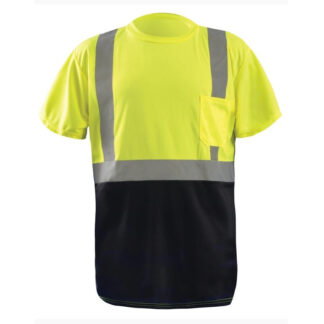
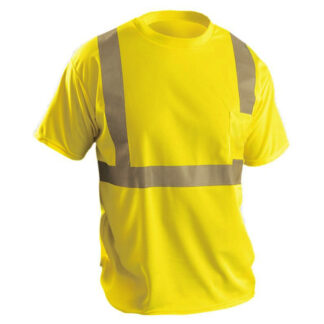
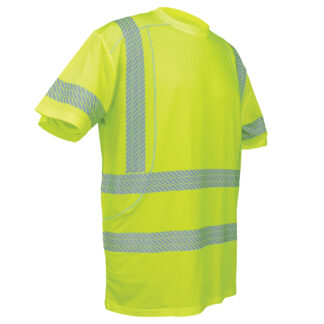
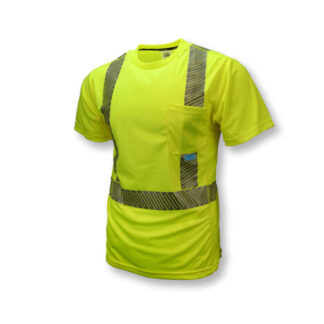
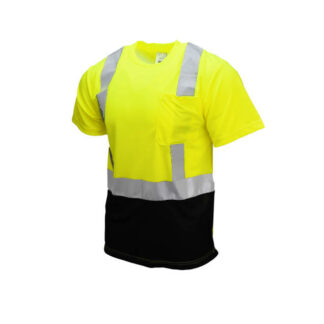
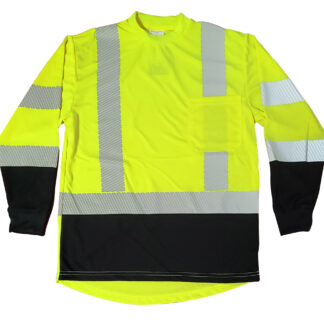
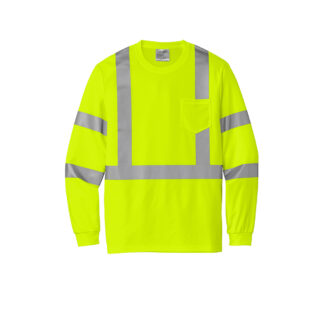
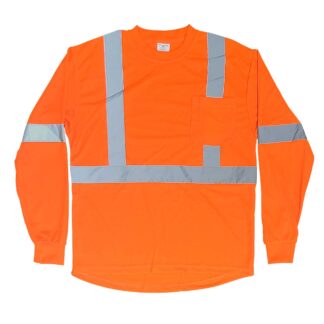
High visibility safety apparel (HVSA) is a type of clothing that is designed to enhance the visibility of workers in various environments. This type of apparel is particularly important in situations where visibility is limited, such as at night, in bad weather conditions or in areas with low light.

The use of HVSA has become increasingly important over the years, as it helps reduce accidents in the workplace and on the road. This type of clothing is worn by workers in industries such as construction, transportation, and emergency services, where the risk of accidents is high.

One of the primary benefits of HVSA is that it increases visibility, making it easier for workers to be seen by others. This is particularly important in situations where there are moving vehicles or heavy machinery, as it can help prevent accidents. In addition, HVSA can also help identify workers in hazardous situations, which can be crucial in emergency situations.

In many countries, including the United States, HVSA is required by law in certain industries. This is because it has been shown to reduce the number of accidents and injuries that occur in the workplace. For example, the Occupational Safety and Health Administration (OSHA) requires workers in construction and other industries to wear HVSA when working on public roads or in other high-risk areas.

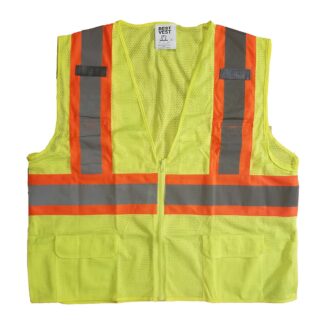
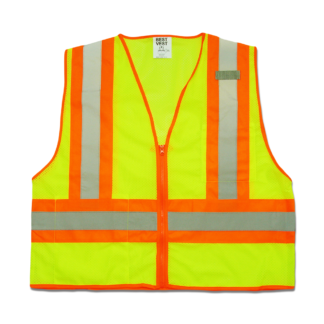
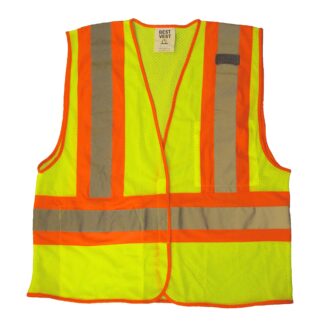
The effectiveness of HVSA depends on several factors, including the color of the clothing and the amount of reflective material that is used. The most common colors for HVSA are fluorescent yellow-green, fluorescent orange-red, and fluorescent red. These colors are chosen because they are highly visible in daylight and at night, and they contrast with most backgrounds.

Reflective material is another important aspect of HVSA. This material reflects light back to its source, making it easier for workers to be seen in low light conditions. Reflective material is typically made from tiny glass beads or prisms that are embedded in the fabric. When light hits these beads, it is reflected back to the source, creating a bright and visible effect.

In conclusion, high visibility safety apparel is an important component of workplace safety in many industries. It enhances the visibility of workers and helps reduce the risk of accidents and injuries. Employers should ensure that their workers are wearing the appropriate HVSA for their job tasks and that the clothing meets the necessary safety standards. By doing so, they can help create a safer and more productive workplace.

/